Articles
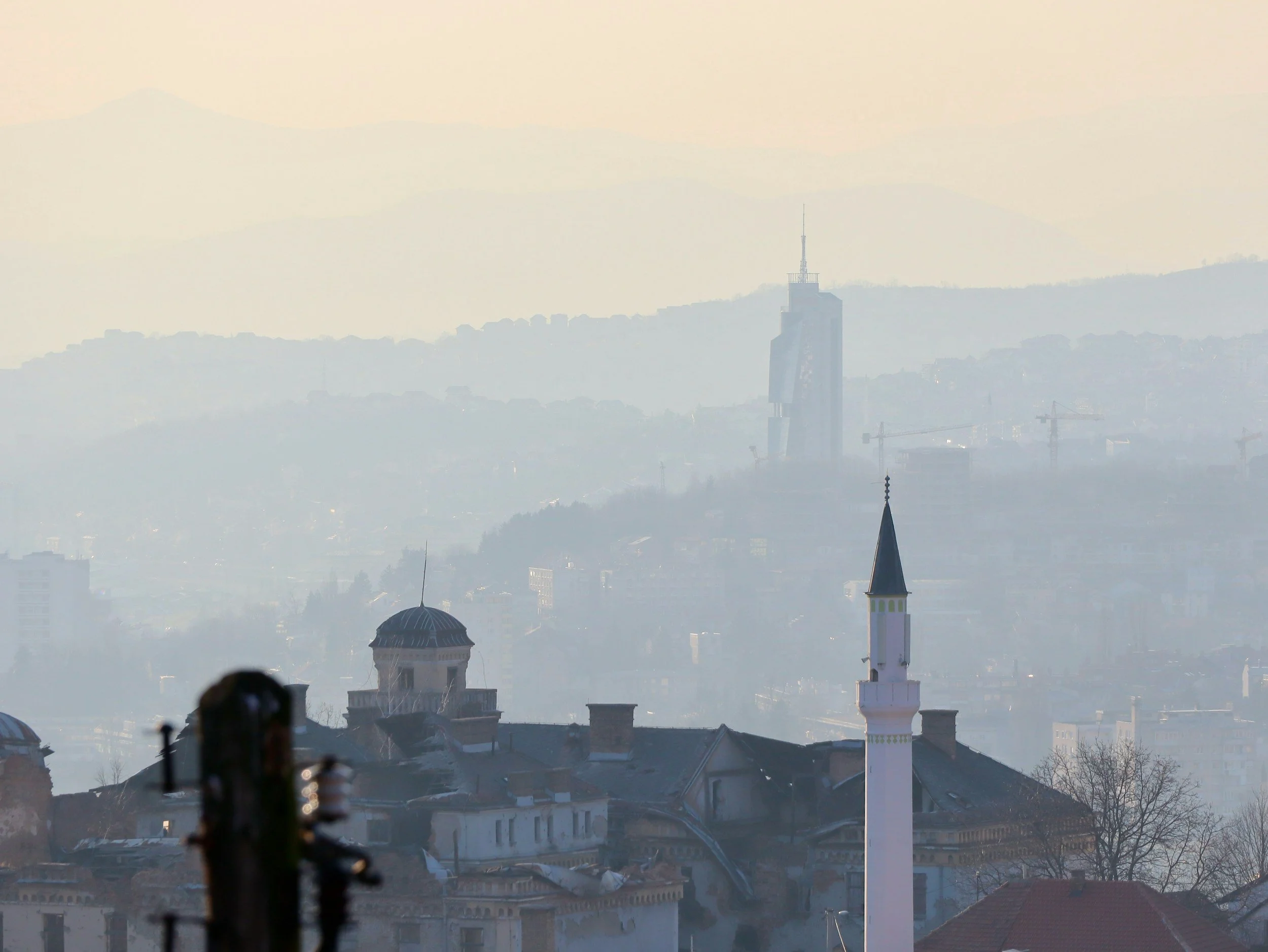
Danger Breathing: Air Pollution in the Western Balkans
With PM2.5 and PM10 contamination often exceeding safe thresholds, many Western Balkan cities regularly face unhealthy levels of air pollution, provoking serious consequences for the well-being of citizens.
This article will lay out the causes of such high levels of air pollution, its human cost, and what concrete actions have been taken so far to limit emissions.
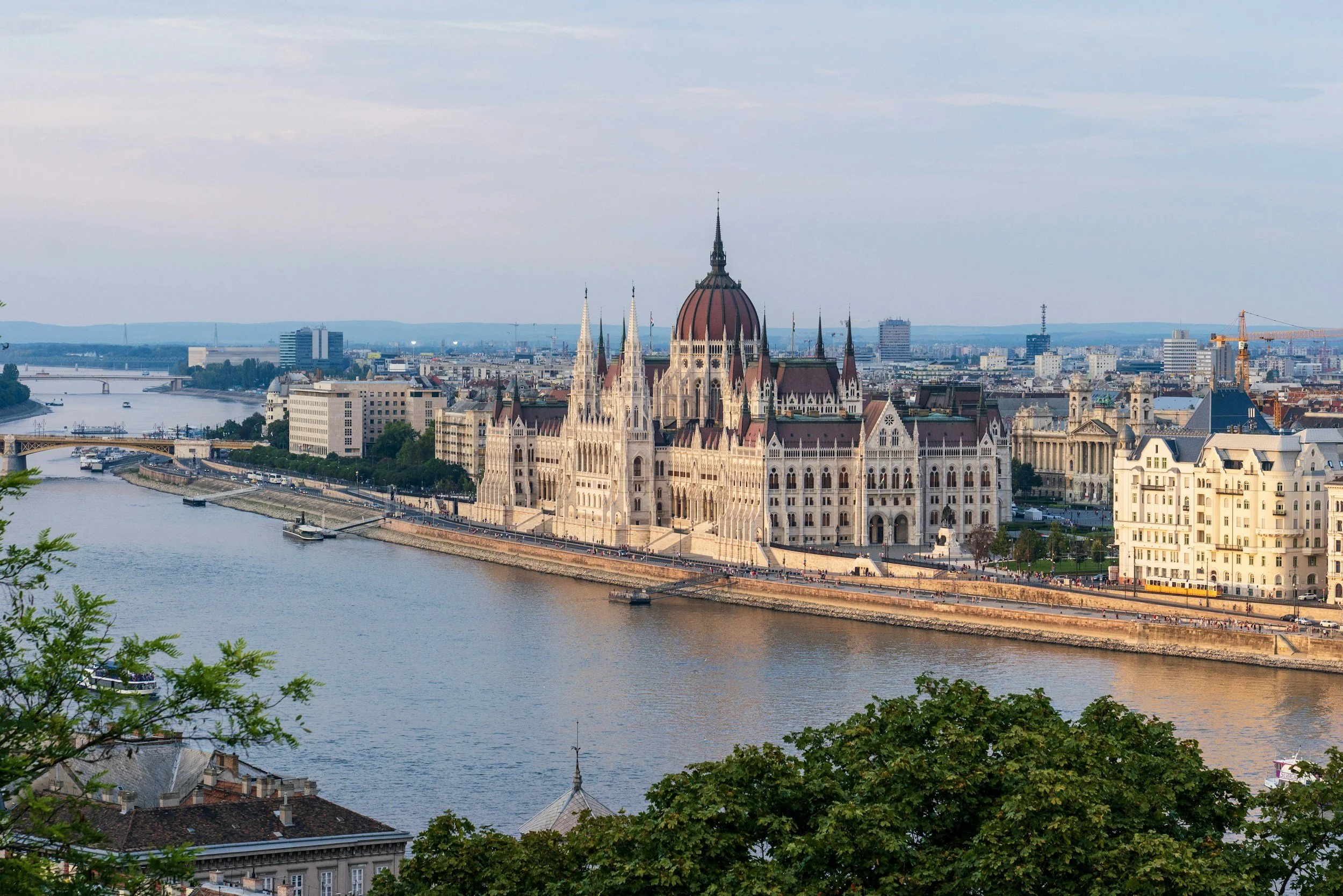
When you lose a friend: an evolution of the relationship between Serbia and Hungary
For decades, Belgrade and Budapest have been tied by a friendly relationship, thanks to the common interests and ideological alignment of their political leaders, Viktor Orbán and Aleksandar Vučić. Nevertheless, the relations between Serbia and Hungary have not always been of partnership, and the recent triumph of Péter Magyar’s Tisza party during Hungary’s Parliamentary elections might influence the country’s position towards Serbia.
Starting with a historical background, this article will delve into the motives that characterised the closeness between Serbia and Hungary so far, leaving an open question about a future with changed leadership.
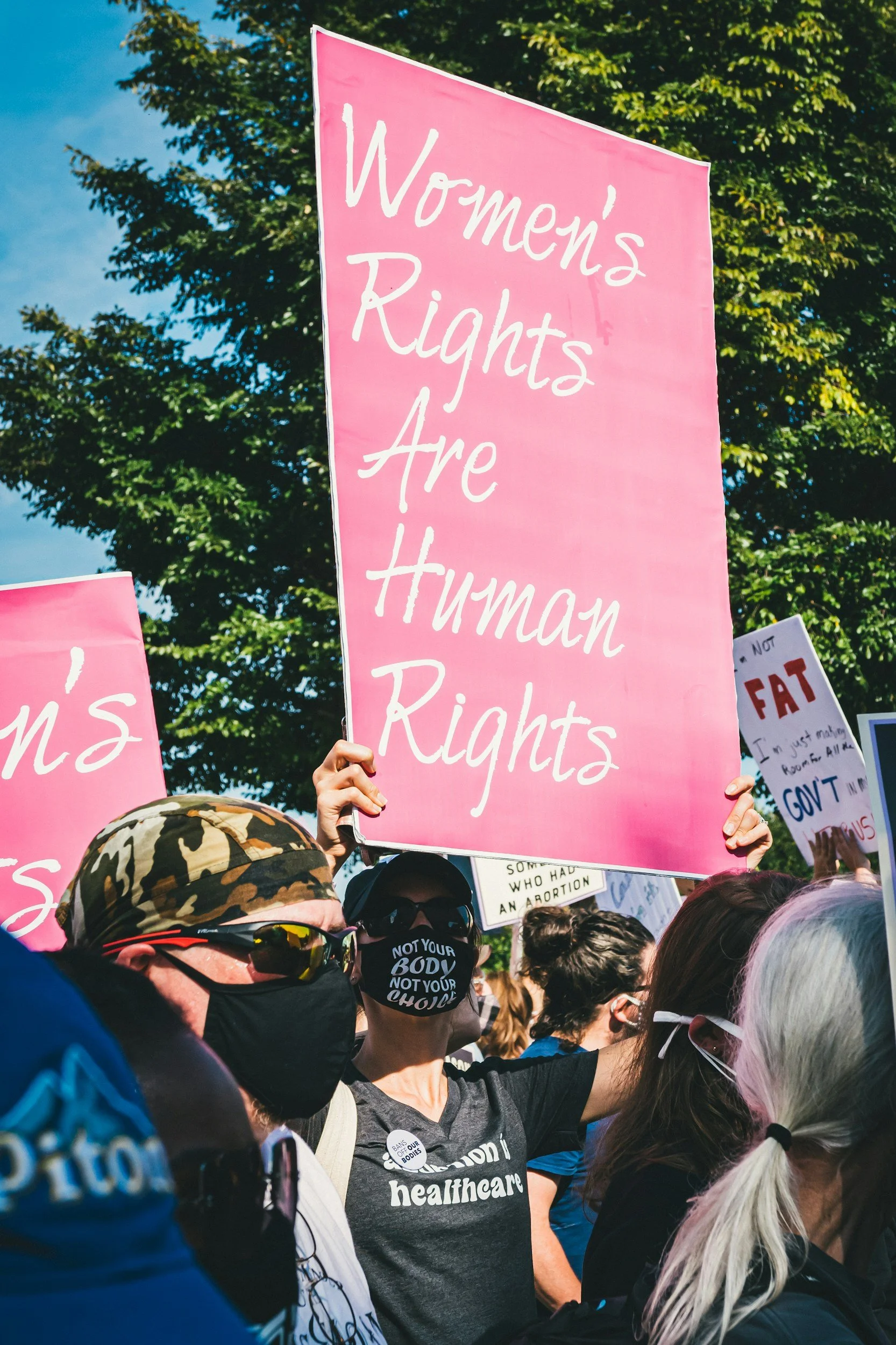
Equal on Paper: Women in the Western Balkans between Historical Legacy and Structural Barriers
Across the Western Balkans, women are more educated than ever, increasingly visible in public life, and formally protected by modern equality laws. Yet, they continue to face lower employment rates, persistent wage gaps, limited political influence, elevated levels of unpaid care work, and widespread gender-based violence. Figures signal that progress has been uneven, fragile, and often dependent on external pressure rather than genuine political commitment.
By examining key social, economic, and political indicators across the Western Balkans, this article will explore the structural barriers that continue to limit women’s participation in public and private life.
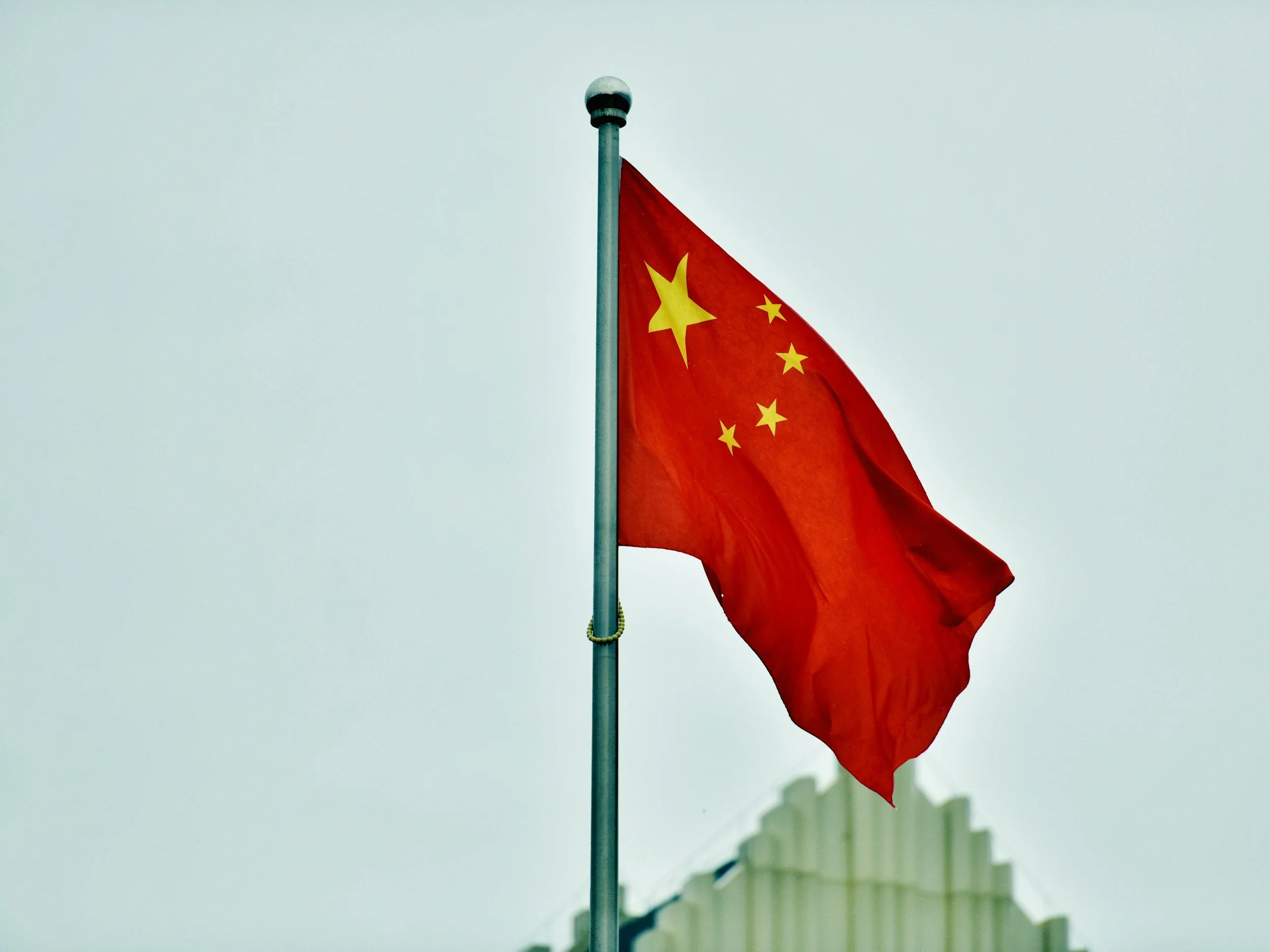
The Dragon’s Footprint: China’s Strategic Evolution in the Western Balkans
The presence of China in the Western Balkans has been increasing during the last few decades, with investments that shifted China’s position from a mere alternative investor to a systemic actor in the region, often considered to exploit gaps left by a slow EU enlargement process.
Despite an uneven distribution of influence, China’s presence in the region has raised multiple concerns, such as regarding its modus operandi and its implications for the EU accession process.
This article will outline China’s strategy in the Western Balkans, especially under the umbrella of the Belt and Road Initiative and the evolution of this framework. A later section will quickly outline the importance of the Western Balkan region for China’s geopolitical strategy. Lastly, the Chinese presence in the various countries of the region will be analysed.
The European Idea and the Serbian National Awakening
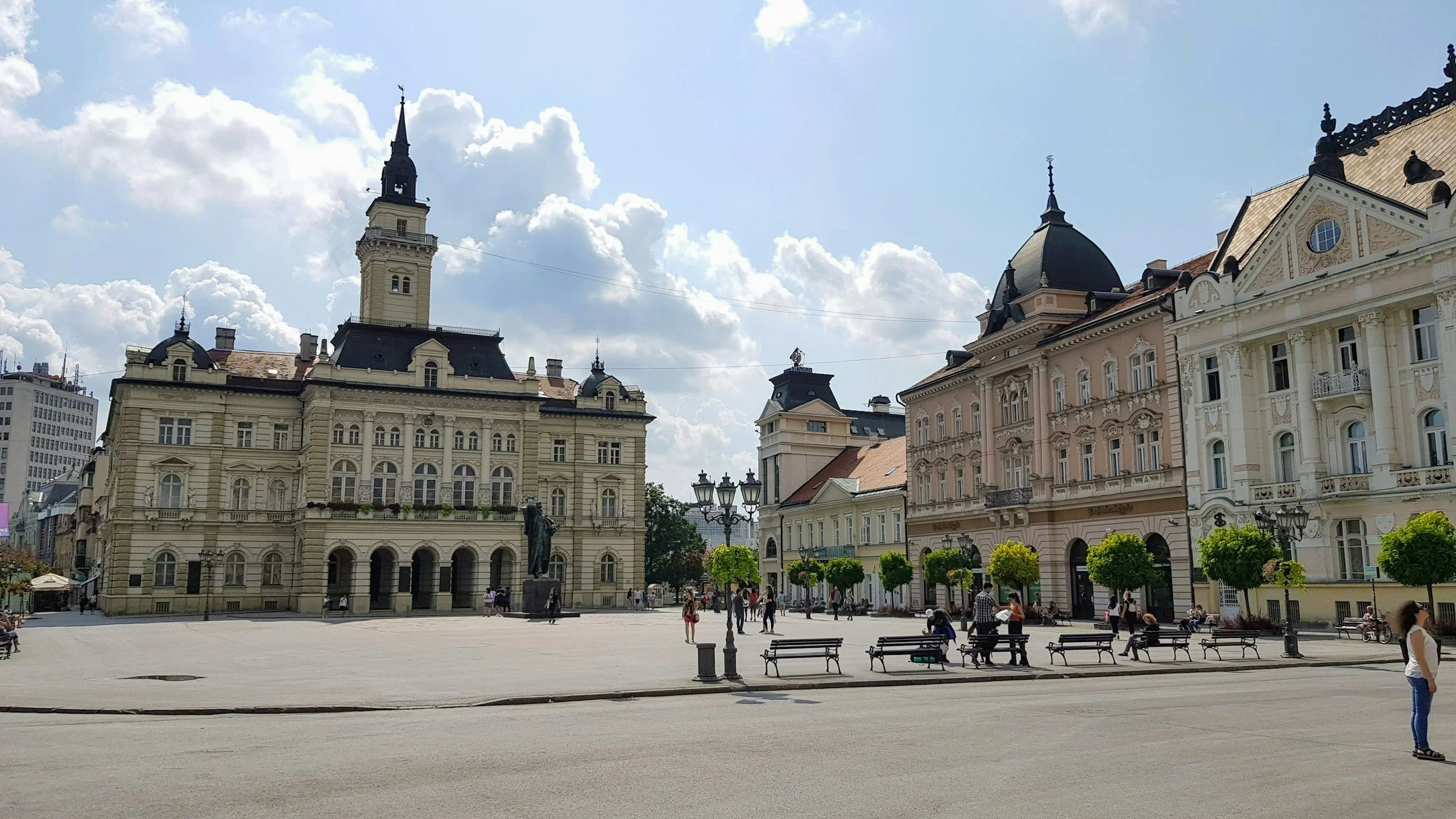
Throughout the region, the European idea evolved into a powerful intellectual and political framework through which diverse peoples sought both national emancipation and reintegration into the European cultural and political community. Although this process assumed different forms among the Greeks, Serbs, Bulgarians, Romanians, and Albanians, it was united by a common conviction that modernisation, vernacular education, constitutional government, and national culture constituted the essential foundations of belonging to Europe. The Serbian national revival illustrates particularly well how Enlightenment rationalism and Romantic cultural nationalism, despite their methodological differences, converged in shaping both the intellectual basis of national identity and the institutional foundations of the modern state.

Emigration: A Western Balkan Tragedy
The weak economies, wide inequalities, social exclusion, and state capture that emerged as a result of turbulent political and economic transitions became drivers for the depopulation of the Western Balkan countries due to out-migration. The emigration trends keep threatening their demographic data. While more young people leave their countries searching for better opportunities, the economic growth of the region remains stagnant and dependent on diaspora remittances.
This article will start by presenting data on out-migration from the six Western Balkan countries, later outlining the main causes and consequences of emigration, followed by a focus on each country’s recent policies intended to incentivise the return of their emigrants.

The Enlightenment origins of the European idea in the Balkans
Long before the emergence of independent Balkan states, the idea of Europe had already begun to acquire intellectual, cultural, and political significance among the educated elites of the region. During the eighteenth century, the diffusion of Enlightenment thought from Western and Central Europe transformed the intellectual landscape of the Balkans by introducing new concepts of reason, liberty, education, constitutional government, and civic identity.
Kosovo: When Recognition Means Much More Than Independence
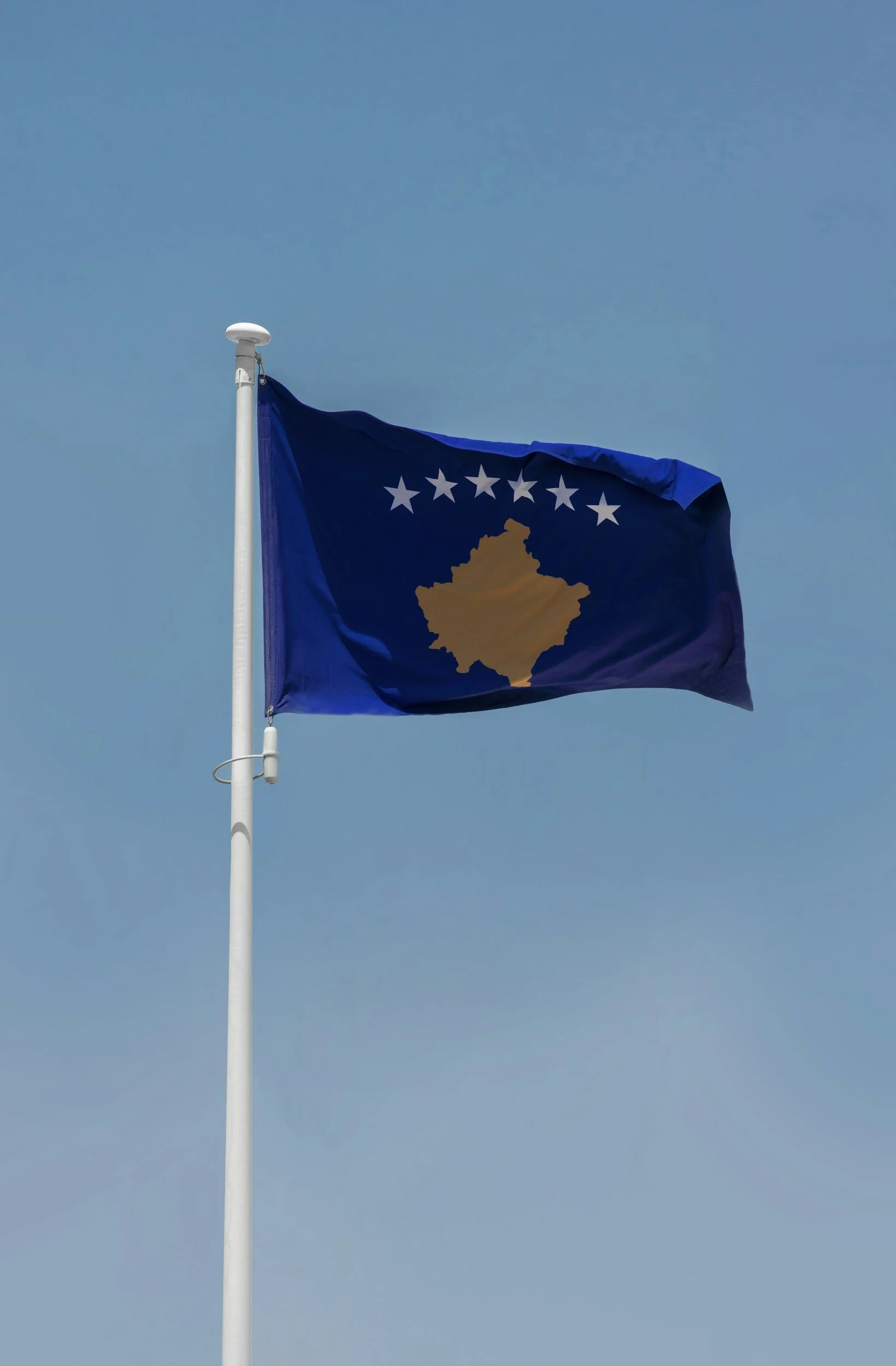
On 17 February 2008, Kosovo unilaterally declared its independence from Serbia following years of violent conflict. While around one hundred countries have recognised Kosovo’s statehood, a considerable number of UN member states, including five EU member states, have not done so. As a result, the question of recognition strongly shapes Kosovo’s domestic politics, diplomatic engagement, and external ambitions, such as its accession to the European Union.
This article will first go through Kosovo’s history, explaining how it arrived at unilaterally declaring its independence, moving on to the non-recognising countries and their motives. Lastly, the implications of the lack of full international recognition for Kosovo’s economic growth, diplomatic engagement, and EU aspirations will be outlined.
Religious Radicalisation and Foreign Fighters in the Western Balkans
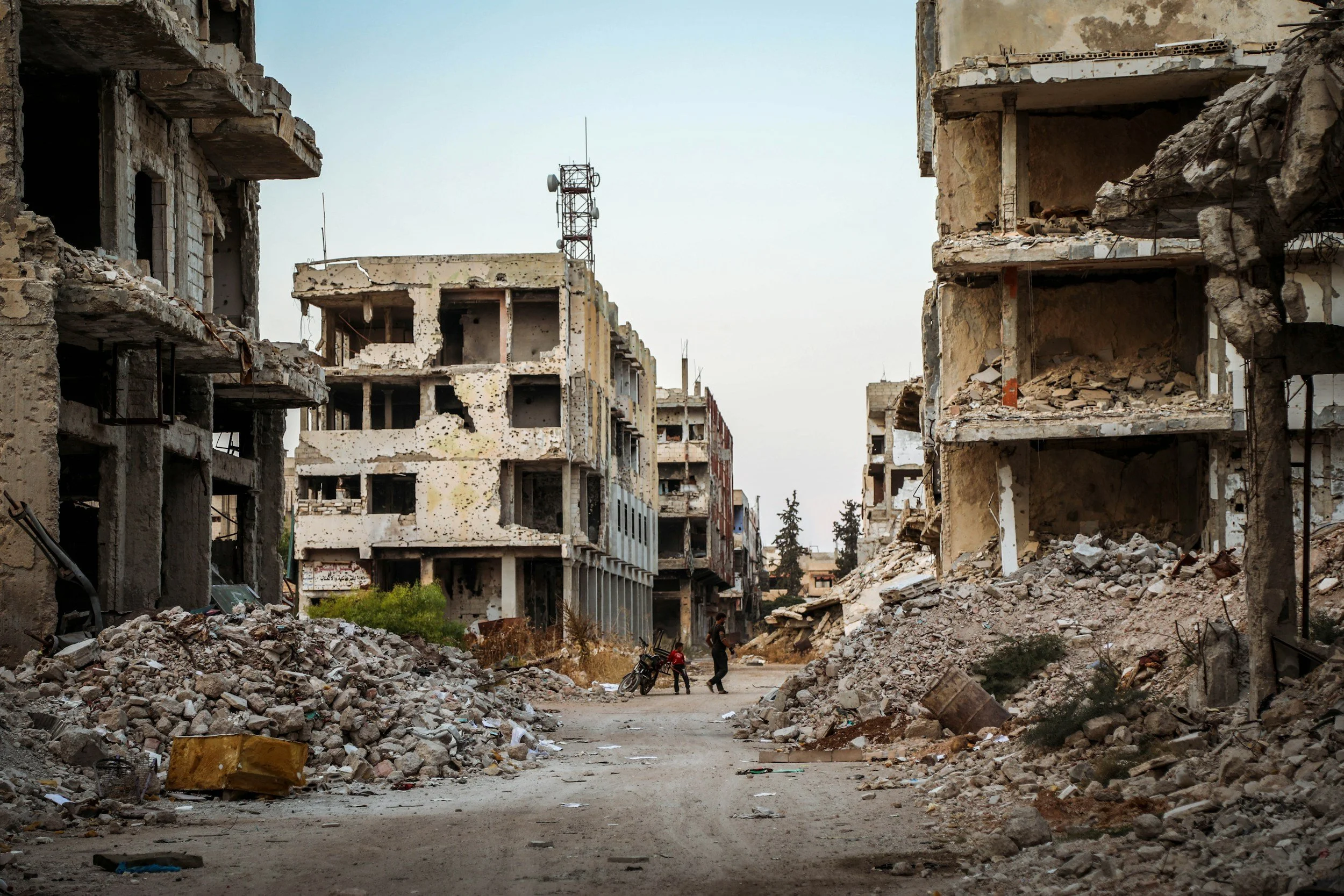
The issue of religious radicalisation has been linked to some Western Balkan countries in the framework of the participation of some of their citizens in terrorist organisations such as ISIS as foreign fighters.
Starting from the historical background and influence factors for religious radicalisation and the rise of foreign fighters, the article will move on to understanding the responses of the countries of the region to foreign fighters and their return. Finally, the current situation will be assessed.

The rediscovery of the Balkans in European thought and travel writing in the XIX century
At the end of the eighteenth century, the Balkan Peninsula was less known in Europe than its overseas colonies. This limited knowledge was directly reflected in geographical literature, where these territories were described merely as the European provinces of Turkey, while the naming of their rivers and mountains continued to rely on outdated Greco-Roman onomastics. However, travels throughout the Balkans slowly became more popular among Western European diplomats and writers, shaping the narratives around the region.
This article outlines the rediscovery of the Balkan peninsula in Western European literature.
Montenegro, the Port of Bar, and a Highway to Nowhere?
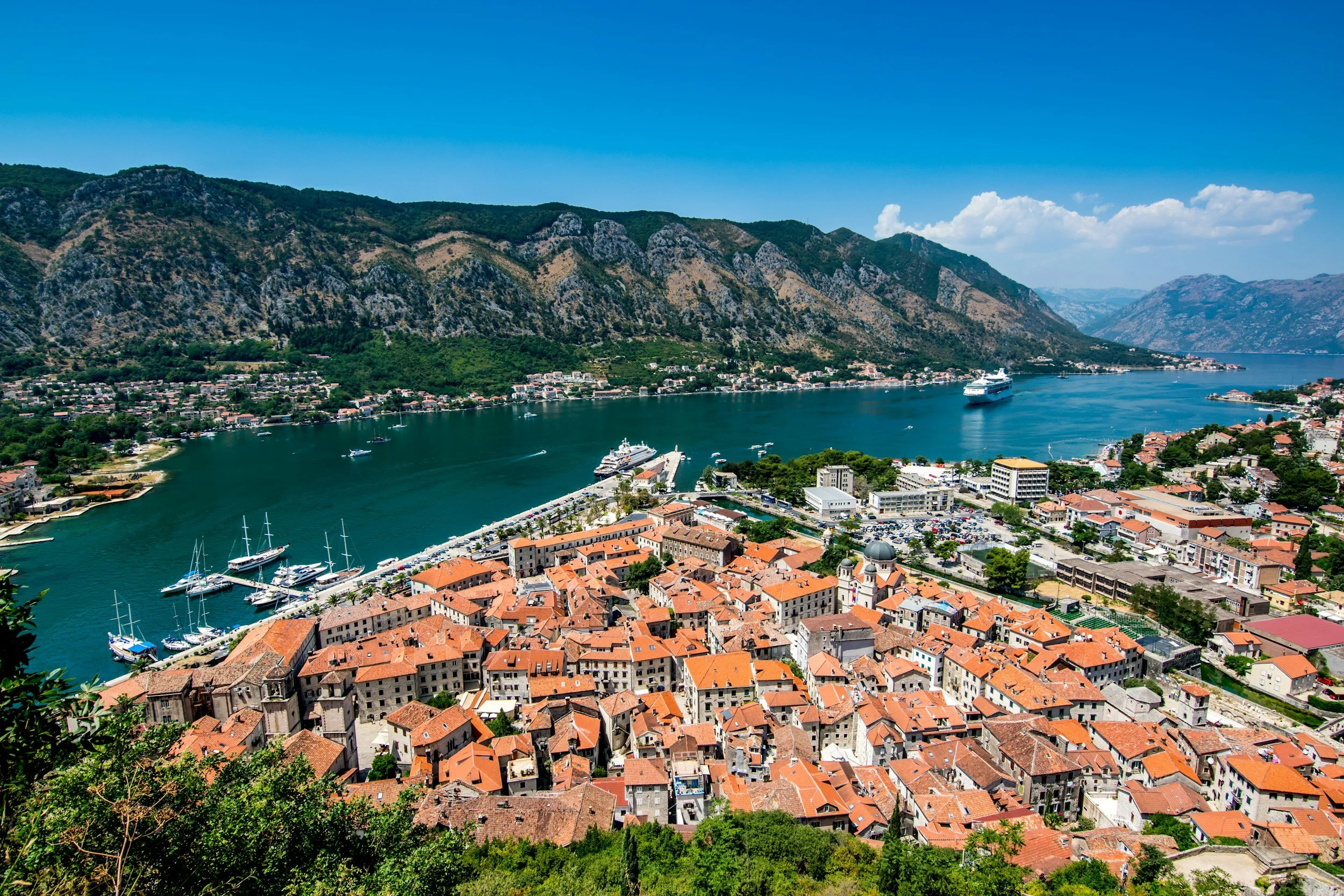
The port of Bar anchors Montenegro’s “Adriatic Transport Corridor” and is referred to as the only multimodal hub in Montenegro, combining sea, rail, and road transport.
This article outlines the latest infrastructure ambitions surrounding the Port of Bar, the geopolitical interests that serve as push factors for such developments, the primary economic and environmental challenges, and the possible consequences for the future in the event of excessive foreign investment and a lack of compliance with sustainability standards.
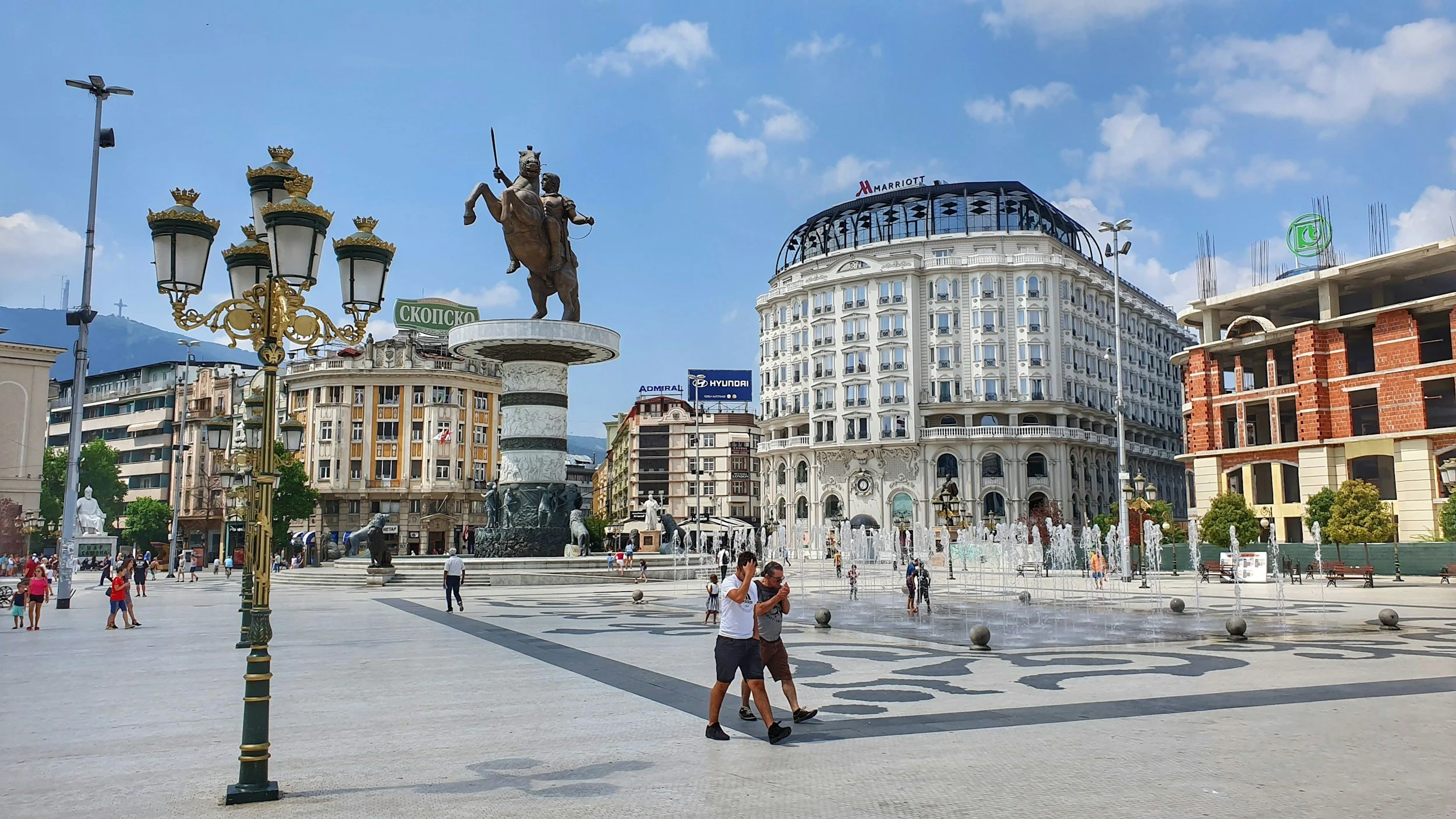
Voting Along Ethnic Lines: How Ethnic Parties Shape Politics in the Western Balkans
Political parties organised around ethnic identity became a defining feature of post-conflict politics in the Western Balkan countries. Ethnic parties, meaning political parties that primarily mobilise voters based on ethnic identity, still carry an important role in shaping politics in the region.
This article will examine the background and rise of ethnic politics, the institutionalisation of ethnic parties in Bosnia and Herzegovina, North Macedonia, and Kosovo, and the advantages and disadvantages of a political life defined by ethnic lines.
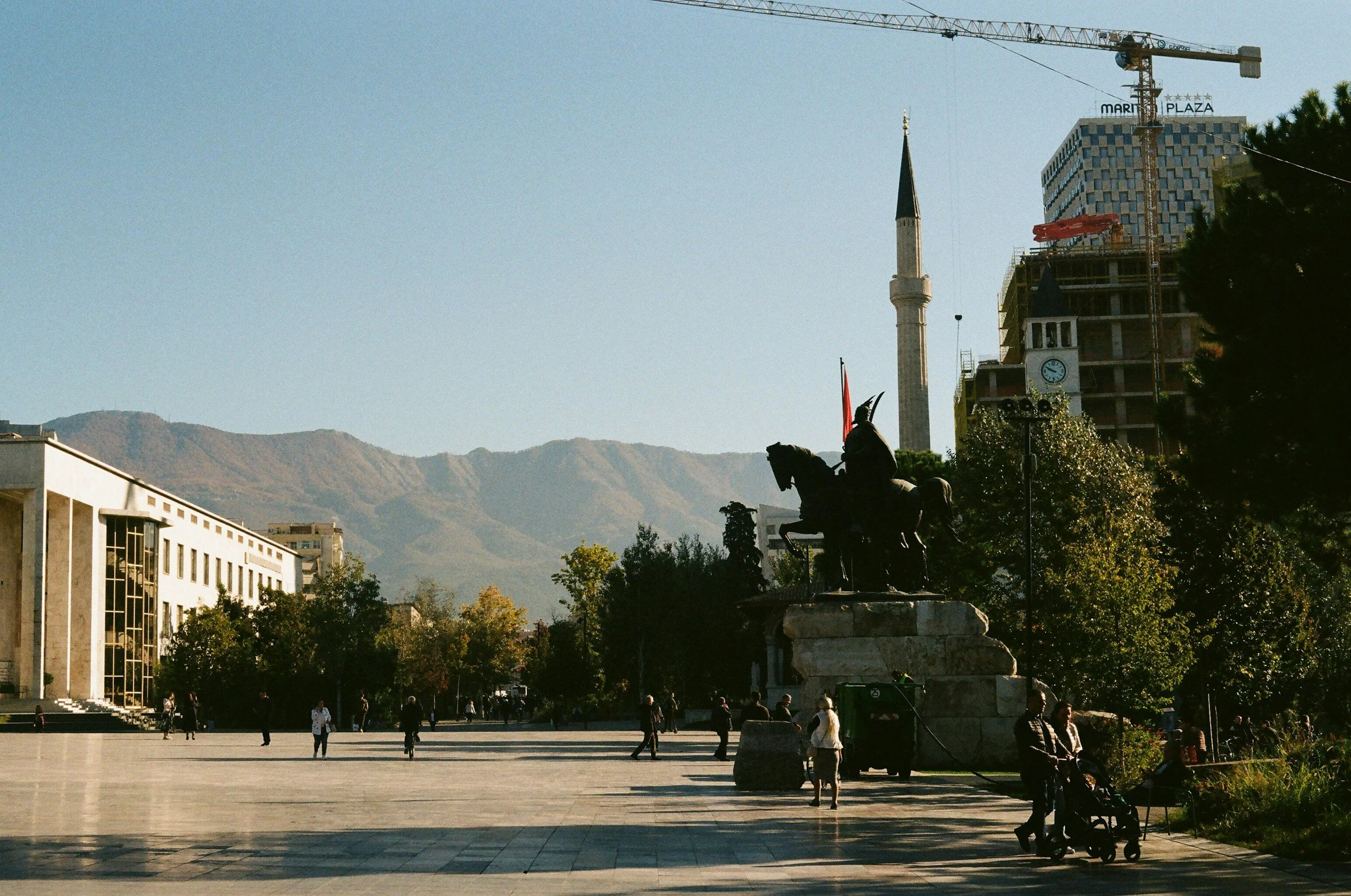
15th Century Albania: Skanderbeg’s Anti-Ottoman Fight
In an attempt to resist the Ottoman invasion of Albania, Christian military and political commander Gjergj Kastrioti, better known by the Turkish name of Skanderbeg, led the major Albanian rebellion that unfolded between 1443 and 1468. This article will present his 25-year-long revolt, during which Skanderbeg prevented the Ottomans from fully subjugating the southern Adriatic coast of the Balkans.
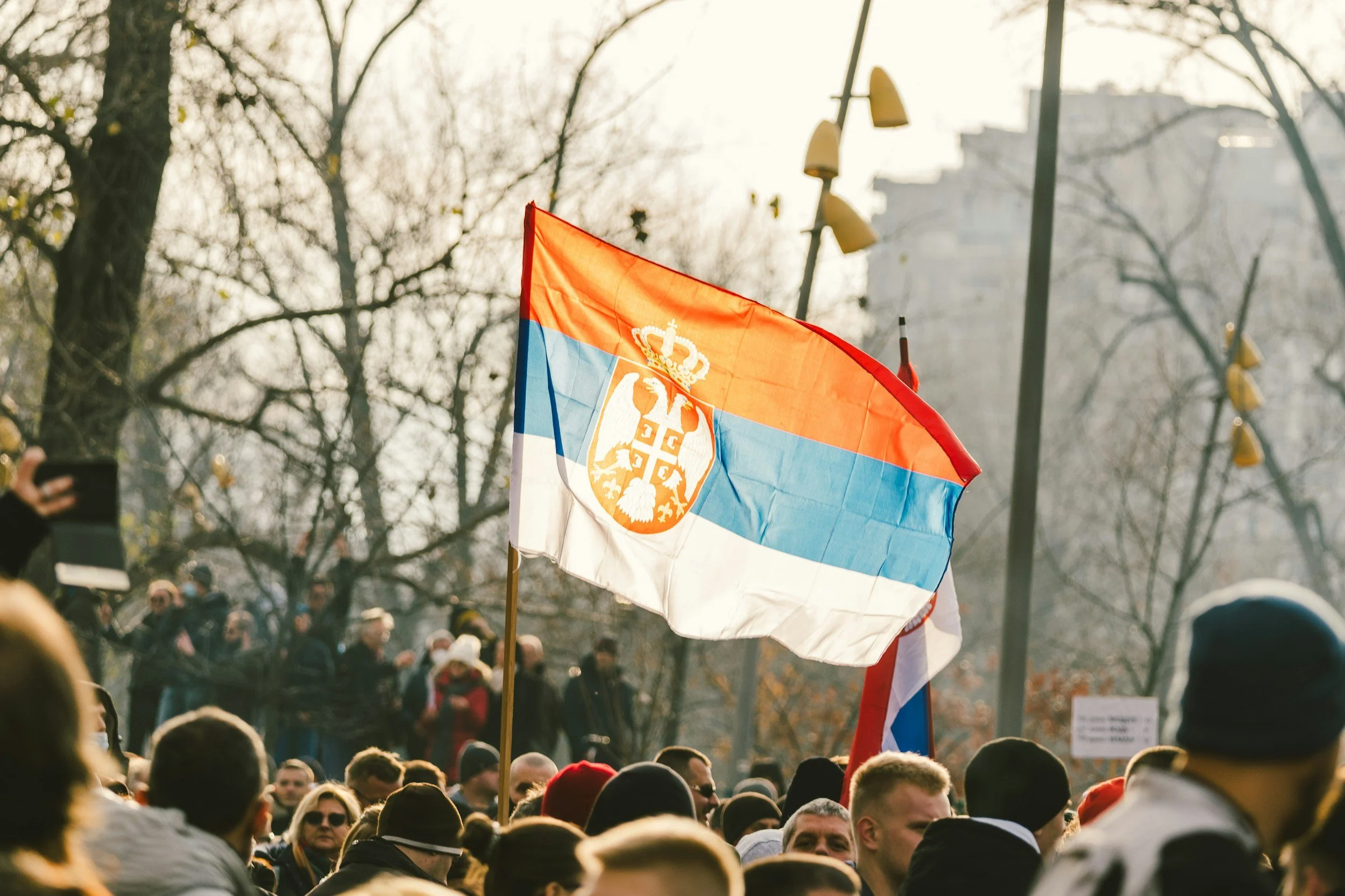
A Dangerous Game: Understanding Stabilitocracy in Serbia
Is Serbia really a democracy? The country’s constitution guarantees rights such as media freedom, freedom of assembly and association, and equality and non-discrimination, and elections are regularly held. Nevertheless, the situation in Serbia seems very different, with continuously shrinking democratic practices. Analysts, watchdogs, and the same Serbian civil society have repeatedly asked for EU representatives to recall the Serbian President and Government to respect democratic values and freedoms. However, for years, the answer has been soft and mostly meant to maintain stability in the region rather than generating a true regime change.
This article will address the question of democracy in Serbia, understanding the EU’s role in creating a so-called “Stabilitocracy”, highlighting its benefits and risks.
The WB6 as a Buffer Zone: How Russia Maintains its Presence in the Region
The strategic geographical and political position of the WB6 gives a multifaceted character to Russia’s interest, exploiting a broad range of ties and strategies to exert influence in the region. While Russia does not uniformly dominate across all six countries, its presence still creates a significant variable in the region’s geopolitics.
Russian influence in the WB6 merits careful analysis in terms of its modus operandi and its differentiated impact across countries.
This article will break down Russian influence in the WB6, highlighting its historical legacy, its motivations, and its forms in each country.

The Vetting & SPAK in Albania: a bad apples clean-up or a permanent uprooting of corruption?
The fast privatisation of the economy and services, in a system that still lacked a solid rule of law, led the way to state capture and widespread corruption. Today, high corruption levels still pervade the Albanian public sector, compromising the functioning of procedures such as public appointments, procurements, and trials, ultimately benefiting a small political and economic elite rather than consolidating a fair democracy.
This article will delve into Albania’s problem of widespread corruption, the introduction of SPAK and the vetting process, and their achievements, consequences and criticisms, trying to understand whether these instruments can be considered as drivers for a radical long-term institutional change or just a momentary “clean-up” of the bad apples.

Euro without Zone: the cases of Kosovo* and Montenegro
Montenegro and Kosovo are the only economies that use the euro without having a formal agreement with the EU. Instead, they adopted the euro unilaterally. This means that they do not mint euro coins, they do not have access to the European Central Bank (ECB) and its services, and they do not participate in eurozone decision-making. Yet, the euro is the sole official tender in both economies.
This article will delve into the unique cases of Montenegro and Kosovo’s use of the Euro currency. Taking off from the history of their euro adoption, linked to the collapse of Yugoslavia, and a quick dip into EU law, the article will build on the benefits and challenges of such a policy choice and the consequences for Montenegro’s and Kosovo’s potential EU accession process.
Living Dayton: Past and Present of the Agreement
Signed in December 1995, the Dayton Peace Agreement is widely regarded as a diplomatic breakthrough and a long-term structural constraint for Bosnia and Herzegovina. Although it brought an immediate end to a 3-year-long devastating conflict, it also created an institutional architecture that continues to influence the country’s political trajectory in complex and somewhat limiting ways (Bose, 2003). 2025 marked its 30th anniversary, making it salient to understand its evolution throughout 3 decades in order to assess Bosnia and Herzegovina’s prospects for peace, democratic consolidation, and EU integration.
After briefly explaining the 1992-1995 war in Bosnia and Herzegovina, this article will outline the characteristics of the Dayton Agreement, its implications in the present times, and questions about its effects in the future.
North Macedonia, Bilateral Disputes and a Power Game
The history of bilateral disputes involving North Macedonia is still ongoing and obstructing the country’s path towards EU accession.
From the outside, for someone who is not accustomed to the history of the Balkan countries, such disputes might sound silly and unimportant, failing to understand the real issues that lie behind. This article will try to explain the disputes between North Macedonia and its neighbouring countries, Greece and Bulgaria, in the clearest and most straightforward way possible, outlining their causes, developments, consequences, and success stories of resolution.
The Western Balkans and EU Enlargement: A Recap
As the first publication of Western Balkans Untangled, this article aims to recap the history of the six Western Balkan countries’ EU accession process, hoping to provide more accessible insights to the EU civil society on what is going on not so far away from them.
Starting with a general summary of the history of the EU enlargement process to the Western Balkans, the article will later delve into the individual countries’ paths, struggles, and current positioning on the accession steps. Lastly, an overview of the risks and opportunities for the EU and the WB, together with some hopes for the future, will clarify how an EU enlargement to the region would affect both sides.